The Ultimate Guide to Social Commerce strategies for brands – Shopping Inside Social Media
Transformative Social Commerce Strategies for Brands

The future of online shopping is being reshaped by social commerce, which combines real-time purchasing with social interaction. By removing the conventional barriers between browsing and buying it enables consumers to engage more deeply and interactively with products. Users no longer need to leave their favorite apps to watch short videos, view product tags, read comments, ask questions, and make quick purchases.
This evolving trend is driven by today’s consumer behavior, where people trust what they see on social media because it feels authentic and relatable. In Social commerce strategies for brands, recommendations from influencers, micro-creators, and even everyday users play a major role in shaping purchase decisions. Creative content such as Reels, TikTok videos, YouTube Shorts, and livestreams functions like digital storefronts, guiding users from discovery to checkout in seconds.
Another powerful element of social commerce is personalization. Algorithms analyze user interests and browsing patterns to display relevant products, making shopping more targeted and enjoyable. Features like AI powered product suggestions, shoppable posts, live Q&A sessions during streams, and instant messaging support create a customer journey that traditional e-commerce cannot match.
For businesses, social commerce opens new opportunities to increase visibility, engagement, and sales. Brands can showcase products in real-life scenarios, collaborate with creators, run flash sales during live sessions, and build trust through user-generated content core pillars of effective Social commerce strategies for brands. This makes it easier to attract new audiences and convert them quickly.
Overall, social commerce represents a major shift in the digital marketplace. It brings people, content, and commerce into a single space, delivering a faster, more engaging, and more social shopping experience that aligns with how modern consumers make decisions.
What Social commerce strategies for brands mean
Social commerce means that people can shop directly inside social media apps without visiting any other website. It turns platforms like Instagram, TikTok, Facebook, and YouTube into complete shopping spaces where users can discover products, learn about them, and purchase in one place. With this approach, brands use different social commerce strategies for brands to reach customers where they already spend most of their time.
With social commerce, users find products while scrolling their feed, watching videos, or interacting with creators. They can read reviews, see real-life demos, compare options, ask questions, and make quick, secure purchases instantly—making online shopping smoother and more convenient.
Many platforms now support this trend with built in tools.
Instagram Shops lets people explore collections and buy products tagged in posts or Reels. Facebook Shops gives businesses a storefront where customers can browse items and chat through Messenger or WhatsApp. TikTok Shop allows creators to tag products in videos and livestreams for instant purchases. Pinterest Shopping turns Pins into shoppable images with product links and personalized recommendations. YouTube Product Tagging lets creators add product tags to videos so viewers can shop while watching. WhatsApp Business Catalog helps brands display their products and complete sales through chat.
All these features make social commerce powerful because they blend entertainment, social interaction, and online shopping in one place. Since people already spend a large amount of time on social media, buying products directly inside the app feels natural, quick, and effortless.
Why Social commerce strategies for brands are Growing

Social commerce is growing rapidly because people now spend more time on social media than on traditional e-commerce websites. Short videos, influencer recommendations, and creator content shape buying decisions, making product discovery feel more natural and relatable. Younger generations prefer quick, seamless shopping experiences, and social commerce strategies for brands take advantage of this by offering in app purchasing that moves users from browsing to checkout in just a few taps.
The ability to buy products instantly through one tap checkout reduces effort and speeds up decision making. At the same time, trust builds quickly when customers can read real comments, watch authentic reviews, and see live product demonstrations from creators they follow. These elements make social commerce strategies for brands highly effective, turning social platforms into powerful and fast growing shopping destinations.
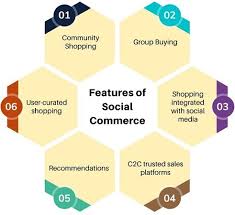
Key Features of Social Commerce
-
Product tagging on posts, reels, shorts, and stories
-
In app checkout (buy without leaving the app)
-
Livestream shopping events
-
User generated content influencing purchases
-
Influencer and creator led product recommendations
-
AI driven product suggestions based on user behavior
Benefits for Brands
-
Higher conversion rates
-
Faster purchase decisions
-
Increased impulse buying
-
Better customer engagement
-
Easier discovery for new and small brands
-
Direct communication through chat features (DMs, WhatsApp, Messenger)
Benefits for Customers
-
They see products used by real people.
-
Easy comparison through comments and reviews.
-
Seamless shopping with no need to switch apps.
-
Personalized recommendations based on interests.
Real Examples
-
TikTok Shop: Users watch a “Get Ready With Me” video and buy products instantly.
-
Instagram Reels: Creators tag the outfit they are wearing, and viewers click to purchase.
-
Facebook Marketplace & Shops: Local sellers promote products and sell directly.
-
YouTube: Product links appear below videos or during livestreams.
Why It Matters in 2025
Social commerce is quickly becoming one of the fastest growing ways for businesses to sell online. Instead of relying only on traditional websites, many brands are now investing more in platforms like TikTok and Instagram because that’s where people spend most of their time. Customers enjoy discovering products while scrolling, watching videos, and interacting with creators, so buying directly inside these apps feels natural and effortless. This shift is happening because social media makes shopping more fun, more engaging, and easier than ever, helping brands reach customers exactly where they are already active.
About Author:
As a Digital marketing strategist in Kannur, I combine creative thinking with data driven planning to help businesses grow online. With hands-on experience in areas like social media marketing, content strategy, and performance optimization, I focus on building campaigns that attract the right audience and deliver real results. Understand consumer behavior, analyze trends, and create strategies that are both practical and effective. I stay updated with the latest digital trends through continuous learning, ensuring that every project I work on brings fresh ideas and measurable impact.
Connect with me: LinkdIn
Author showcase: Portfolio