History of Human Population- From Early Times to Today
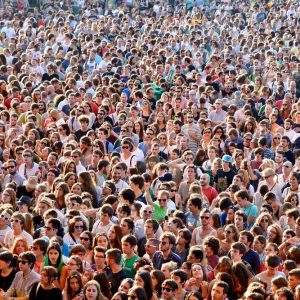
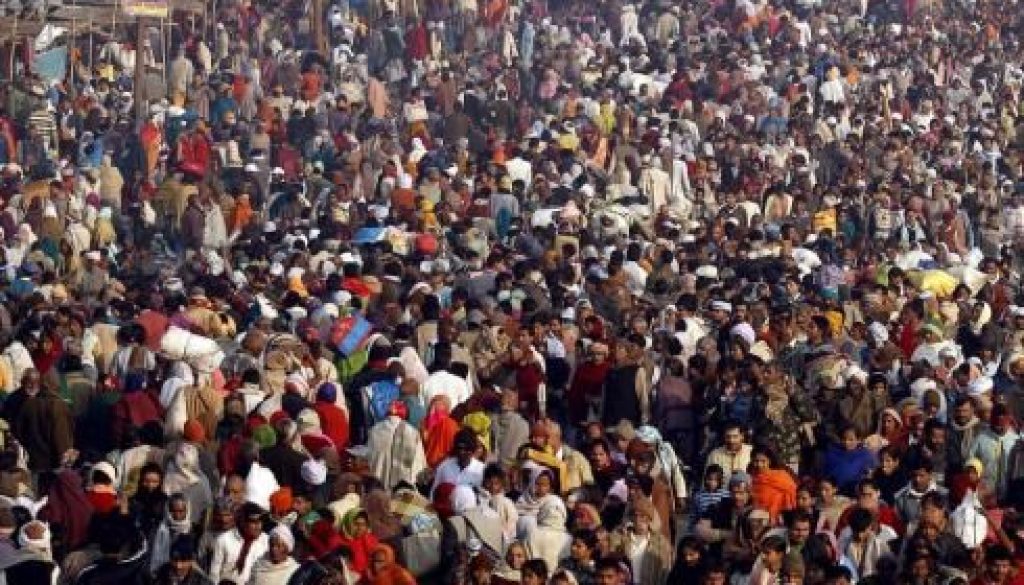
The history of human population is how the number of people lived on Earth in each period. In the beginning of the period, the population grew very slowly because people faced problems like diseases, wars, and lack of food. After that later, farming, trade, and better living conditions made the population grow faster. The biggest growth in the population came during the Industrial Revolution and modern era, where medicine and technology played important role. Today, the world has more than 8.2 billion peoples, and seeing this growth it helps us how humans have developed and how our future might look like.
Human population in Early Human Era (Before 1 CE)
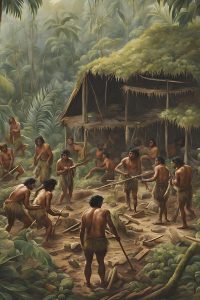
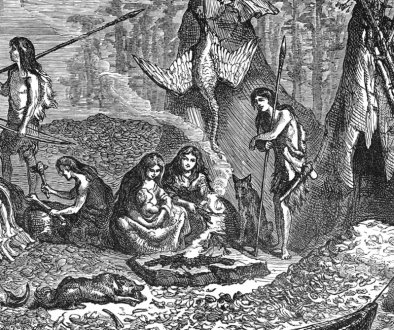
In early human history, the world’s population was very low. People lived their life mainly by doing hunting and gathering, and many lives were lost due to sickness, wars, and lack of food. Things began to change around 10,000 BCE period when farming started, giving people a proper food supply and helping small communities and groups to grow. But still, the numbers stayed in a very low rate, with only 5 to 10 million people all over the world. And by the time of the Roman Empire around 1 CE, the global population had slowly increased, and it is up to around 200 to 300 million, Its just a beginning of steady population growth
Human population in Medieval Period (1 CE – 1500 CE)
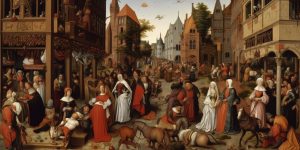
During the medieval period, population growth is continued in a small range. Life of that generation was still unstable, with frequent wars and widespread diseases holding the population rate. One of the most devastating thing that was happened on that period is Black Death in the 1300s, which wiped out a large portion of the population in Europe and Asia. A part from this difficulties, the global population gradually increased over the centuries and reached about 500 million by 1500 CE.
Human population in Early Modern Period (1500 – 1800)
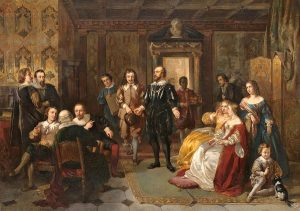
Between 1500 and 1800 period, the world’s population rate grew largely. And the discovery of new land called America brought new lands and resources, and improvement in farming made food production more reliable than previous periods. At the same time, trade as happened between countries taken place, that was helping different parts of the world share crops and goods. These changes that gave people a better living condition. By around 1800, the global population had increased to nearly 1 billion people, that represent a milestone in population history.
Human population in Industrial Revolution period (1800 – 1900s)
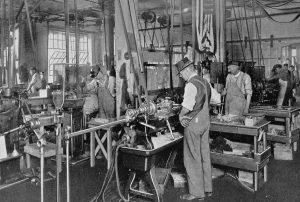
During the period 1800s, the Industrial Revolution totally changed the way people lived and they worked. New type of medicines and better sanitation that helped a lot to reduce sickness, while advances in farming made food easier to produce and more widely available to the people. These improvements in this area made people to living longer and healthier. Because of this too, the world’s population rate grew much faster than before, rising from around 1 billion in 1800 to 1.6 billion by 1900.
Human population in 20th Century period (1900 – 2000)
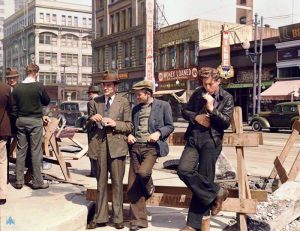
In the history of human population, the 20th century is a period that had rapid growth also known as the population explosion. Major improvements in the field off healthcare, sanitation, and technology greatly reduced death rates and allowed people to live longer, and to lead healthier life. The change was dramatic where the global human population rise from about 1.6 billion in 1900 to nearly 2.5 billion by 1950, and then reached around 6 billion by the year 2000. This century marked one of the most significant increases in the entire history of human population rate.
Human population in 2026 estimate: More that 8.2 billion people
By 2026, the global population is expected to cross 8.2 billion people, another milestone in the history of human population. Looking towards the long history of human population, this growth reflects how advanced in the field of medicine, technology, and agriculture continue to shape our world better. The history of human population shows a slow growth in ancient times to rapid expansion growth in the modern era, with 2026 adding yet another chapter to this ongoing story in the population rate.
The world’s population could reach about 9.7 billion by the year 2050
By 2050, the world’s population is projected to rise to around 9.7 billion people, showing that how rapidly humanity continues to grow. In the long history of human population, this would be one of the largest figures a part from other records, highlighting a shift from slow population growth in ancient time period to more expansion rate in the modern era.
The history of human population tells us that for thousands of years, numbers increased at a very gradual pace due to high death rates, limited resources, and frequent disease outbreaks. However, with advanced form of agriculture, medicine, and technology, especially during the Industrial Revolution and the 20th century, the pace of growth accelerated sharply. Reaching nearly 10 billion by 2050 would mark one of the another turning point in the history of human population, raising an important question about this result is how the resources, sustainability, and how societies will adapt to this record breaking level of growth.
conclusion
The history of human population is a remarkable journey of determination, growth, and change. From small communities of early humans to the billions inhabiting in the planet today, it shows how humanity overcame this obstacles and found different ways to survive and succeed. In the beginning, growth was slow and unclear, but with improvements in certain fields like farming industry, medicine, and technology, the population expanded faster than ever before. Looking a head, the history of human population gives us insight into how humanity can face the future, with the global population expected to approach 10 billion.
About Author:
As a Digital marketing strategist in Kannur, I combine creative thinking with data-driven planning to help businesses grow online. With hands-on experience in areas like social media marketing, content strategy, and performance optimization, I focus on building campaigns that attract the right audience and deliver real results. Understand consumer behavior, analyze trends, and create strategies that are both practical and effective. I stay updated with the latest digital trends through continuous learning, ensuring that every project I work on brings fresh ideas and measurable impact.
Connect with me: Linkedin
Author’s Showcase: portfolio